Liability in a brake failure truck accident typically falls on the trucking company, the truck driver, a third-party maintenance provider, or the brake manufacturer. In many cases, more than one of these parties shares responsibility. The answer depends on what caused the brakes to fail and who had a duty to prevent it.
Brake failure is rarely a random mechanical event. It usually traces back to something that was skipped or ignored. Drivers are required to conduct brake inspections before every trip. Mechanics are required to document repairs and maintain accurate maintenance records.
When any of those responsibilities go unmet, and someone gets hurt, that is a personal injury claim. If you were injured in a truck accident involving brake failure, a Charlotte truck accident lawyer can help you trace the cause and identify who is responsible.
Why Liability in Brake Failure Truck Accident Cases is Complicated
A brake failure truck accident is not like a typical rear-end collision, where fault is usually obvious. These cases involve technical evidence, federal regulations, maintenance history, and sometimes multiple companies with overlapping responsibilities for the same braking systems.
The trucking company might point to the driver. The driver might point to the shop that last serviced the brakes. The maintenance provider might argue that the worn brake components were already in poor condition before they touched the truck. Everyone has a reason to shift the blame somewhere else.
That is exactly why building a strong personal injury claim requires getting into the details early, before evidence gets lost or maintenance records disappear.
For a free legal consultation, call (877) 333-1000
The Trucking Company
Trucking companies carry the broadest legal responsibility for the condition of their vehicles. The Federal Motor Carrier Safety Administration sets detailed federal regulations for commercial vehicle maintenance, and every trucking company operating in North Carolina and across the country is required to follow them.
That means performing regular brake inspections, making timely repairs, thoroughly documenting maintenance history, and taking trucks out of service when safety standards are not met. When a company cuts corners on any of that and a brake malfunction results, they can be held liable.
Deferred Maintenance
One of the most common factors in brake failure cases is deferred maintenance. Maintenance records and inspection logs can reveal whether brake problems were flagged and ignored. A truck that was cited for worn brake components and kept on the road anyway is a clear liability issue for the company that made that call.
Pressure on Drivers
Some trucking companies pressure drivers to meet delivery deadlines even when a vehicle has known brake problems. A driver who raises a concern about the braking system and is told to keep rolling has documentation of a problem the company chose to ignore. That evidence can be significant in establishing liability.
Inadequate Maintenance Programs
Trucking companies are responsible for building and running a system that keeps their fleet in a safe condition. A company with no real brake inspection program, no follow-up on reported brake problems, and no adherence to federal regulations has a systemic issue. Systemic negligence in the trucking industry creates systemic liability.
The Truck Driver
Drivers have their own legal responsibilities when it comes to brake safety that are separate from what the trucking company is required to do.
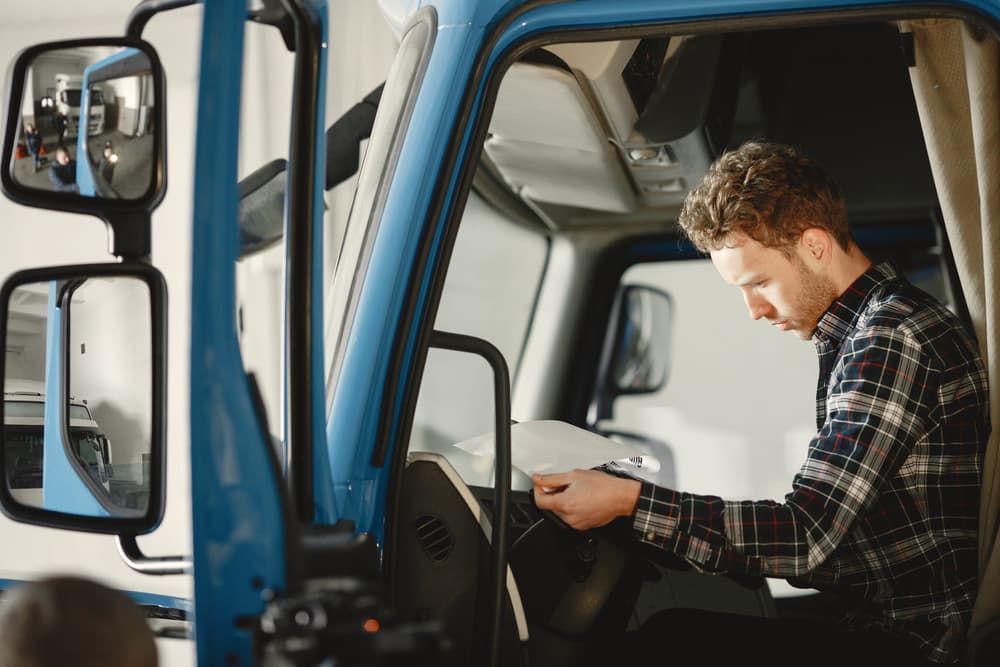
Federal Motor Carrier Safety Administration regulations require drivers to inspect their brake systems before every trip. That inspection includes checking for obvious signs of wear, damage, or brake malfunction. Drivers are also required to report any defects they find.
A driver who skips the pre-trip brake inspection and misses a problem that should have been caught bears some responsibility for what happens next.
Driver Error Behind the Wheel
Liability can also arise from how a driver operates the truck on the road. Riding the brakes on a long downhill grade, failing to use engine braking when conditions call for it, and skipping brake checks before a steep descent are all driver behaviors that can cause or worsen brake failure in a commercial truck.
Click to contact our personal injury lawyers today
Third-Party Maintenance Providers
Many trucking companies outsource vehicle maintenance to third-party shops or service providers.
If a brake shop missed a safety-critical issue during an inspection or signed off on work that was not actually completed, they can be held liable for a resulting accident.
These cases often hinge on maintenance records and invoices. A trucking accident attorney can subpoena these records and work with mechanical experts to evaluate whether the work met required safety standards.
Complete a Free Case Evaluation form now
The Brake Manufacturer
In some brake failure cases, the problem is not maintenance or driver behavior. It is a defect in the brake components themselves.
A manufacturing defect in a brake shoe, drum, air line, air valve, or another part of the air brakes can cause mechanical failure even when the truck has been properly maintained and the driver has done everything right. These cases fall under product liability law, which holds the brake manufacturer responsible for defects in the products they put on the market.
Identifying every responsible party and pursuing every applicable policy is something a Charlotte personal injury lawyer handles as part of building your case.
Talk to a Lawyer About Liability in Your Brake Failure Truck Accident
If you were hurt in a brake failure truck accident, the question of who is liable is one that requires a real investigation. The answer is in the maintenance records, brake inspection logs, black box data, and the physical condition of the brake systems themselves.
DeMayo Law Offices handles truck accident cases throughout North Carolina, including cases involving brake failure, defective brakes, deferred maintenance, and negligent trucking companies. The consultation is free, and you pay nothing unless we win your case.
Reach out when you are ready. We are here to help you understand what happened and what your options are.
Call or text (877) 333-1000 or complete a Free Case Evaluation form