Brake failure in commercial trucks comes down to a handful of recurring problems: worn brake components, neglected brake maintenance, brake overheating from overloaded trucks, air system leaks, and driver error. A fully loaded commercial truck can weigh up to 80,000 pounds.
At highway speeds, it already needs nearly twice the stopping distance of a passenger car when everything is working correctly. When the braking system is compromised, the consequences for everyone in that truck’s path can be severe.
If you were hurt in a truck crash that may have involved brake failure, a Charlotte truck accident lawyer can help you determine whether the trucking company, a maintenance provider, or another party bears responsibility for what happened.
Does Improper Maintenance Cause Truck Brake Failure?
Yes. Neglected brake maintenance is one of the leading causes of brake failure in commercial trucks, and in most cases, it is entirely preventable.
Federal Motor Carrier Safety Regulations require trucking companies to inspect, repair, and maintain every part of a commercial vehicle, including the braking system, in safe operating condition at all times.
Drivers are required to conduct pre-trip inspections before every run. Mechanics must document repairs. Companies must keep maintenance records. When any part of that system breaks down, brake failure often follows.
Worn Brake Shoes and Linings
Brake shoes and brake linings wear down with use. Past a certain thickness, they cannot generate enough friction to stop the truck effectively. The Federal Motor Carrier Safety Administration regulations set minimum thickness requirements for these components, and trucks with worn linings below those limits are supposed to be pulled from service.
When companies keep those trucks rolling anyway, they are creating a hazard for everyone on the road.
Out-of-Adjustment Brakes and Brake Imbalance
Air brakes must be properly adjusted to work correctly. If the pushrod travels too far when the brake is applied, the system cannot generate enough stopping force.
Brake imbalance, where braking force is uneven across axles, can cause a truck to pull to one side under hard braking and dramatically increase stopping distance. This is one of the most frequently cited violations during roadside commercial vehicle inspections.
Automatic slack adjusters are designed to keep brakes in adjustment on their own. When they are not maintained or are installed incorrectly, they can mask a serious adjustment problem.
Contaminated Brake Components
Oil, grease, or hydraulic brake fluid on brake drums or shoes sharply reduces braking effectiveness. This type of contamination usually points to a leaking seal or gasket in the drivetrain, exactly the kind of issue that thorough maintenance and inspections are supposed to catch and correct before the truck ever leaves the yard.
Air System Leaks
Most passenger vehicles use hydraulic brakes, which rely on brake fluid to transfer force from the pedal to the wheels. Commercial trucks work differently. They use compressed air to engage the braking system, and that system only works when air pressure stays within a certain range.
When a line, valve, or chamber develops a leak, pressure drops. The brakes still feel like they are working right up until they are not. A small leak that goes undetected during maintenance and inspections can quietly worsen over time, and a severe enough leak can take the braking system offline entirely at the worst possible moment.
Brake Fade and Overheated Brakes
Every time a truck brakes, heat builds up in the system. Under normal conditions, that heat dissipates between stops. The problem starts when the brakes are applied repeatedly without enough time to cool down, most commonly on long, steep downhill grades.
The brake components get hotter and hotter until the friction material can no longer do its job. That is brake fade. The pedal still works, but the truck is not slowing down the way it should.
Overheated brakes are not always the driver’s fault. Contributing factors can include:
- Brakes that were already in poor condition due to deferred brake maintenance
- An overloaded truck putting excessive stress on certain axles
- Brake components not rated for the demands of the route being traveled
For a free legal consultation, call (877) 333-1000
Driver Error and Brake Misuse
Even well-maintained brakes can fail under misuse. Common driver errors that lead to brake problems include:
Riding the Brakes
Applying constant light pressure on downhill grades generates sustained heat with no recovery time between applications. This accelerates brake shoe wear and dramatically increases the risk of overheated brakes.
Skipping Engine Braking
Using the engine’s compression resistance to slow the truck on steep grades takes pressure off the braking system and is standard practice among experienced commercial drivers. Drivers who skip this technique put unnecessary stress on every brake component.
Skipping Pre-Trip Inspections
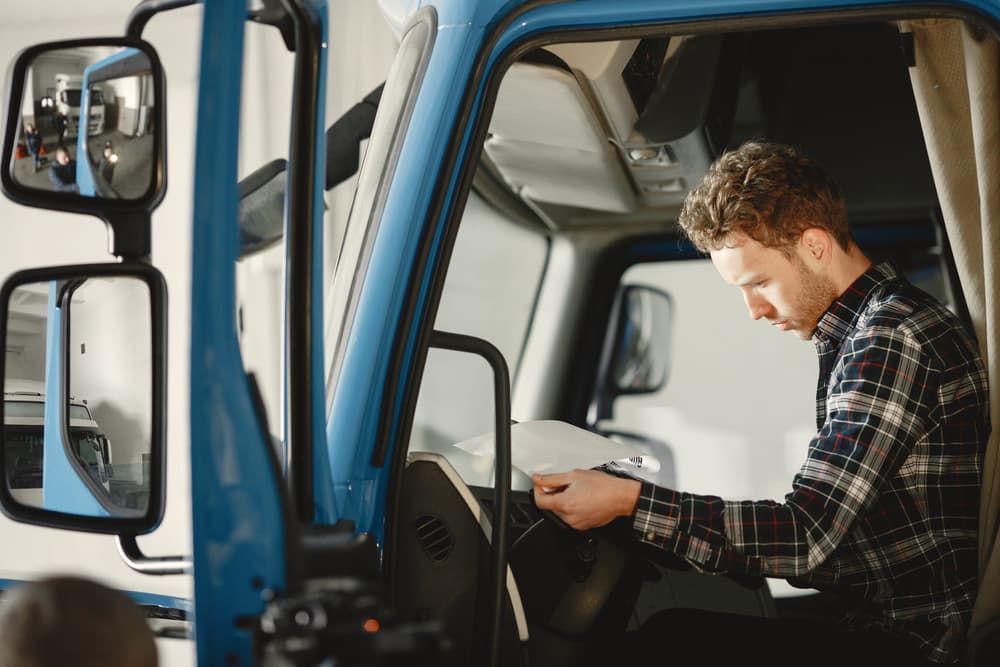
Drivers are required to verify brake adjustment, air pressure, and overall system condition before starting a descent. Skipping pre-trip inspections on brakes is a documented contributing factor in runaway truck accidents.
Who Is Responsible When Commercial Truck Brakes Fail?
Brake failure points back to someone. Depending on what the maintenance records, inspection reports, and evidence show, responsibility could fall on:
The Trucking Company
A trucking company that skipped required maintenance and inspections, ignored known brake problems, or pressured drivers to keep moving on trucks with mechanical issues can be held liable for the consequences of that negligence.
The Truck Driver
Drivers who fail to conduct required pre-trip inspections or who knew the braking system was compromised and drove anyway bear personal responsibility for that choice.
A Third-Party Maintenance Provider
When an outside company handles brake maintenance and does substandard work or misses a critical safety issue, they may share liability for a resulting truck crash.
The Brake Manufacturer
If a defect in the brake components themselves contributed to the failure, the manufacturer may be a responsible party. A truck accident attorney can work with engineering experts to analyze the components and determine whether a manufacturing defect played a role.
Click to contact our personal injury lawyers today
Talk to a Truck Accident Lawyer About What Happened
If you were hurt in a crash that may have been caused by a brake failure in a commercial truck, working with a Charlotte personal injury lawyer gives you the best chance of preserving critical evidence and building a strong case.
DeMayo Law Offices handles truck accident cases throughout North Carolina, including cases involving brake failure, improper maintenance, and negligent trucking companies. The consultation is free, and you pay nothing unless we win.
Still wondering what steps to take after a brake failure truck accident? Contact us today. We are here to help you understand what happened and what you can do about it.
Call or text (877) 333-1000 or complete a Free Case Evaluation form