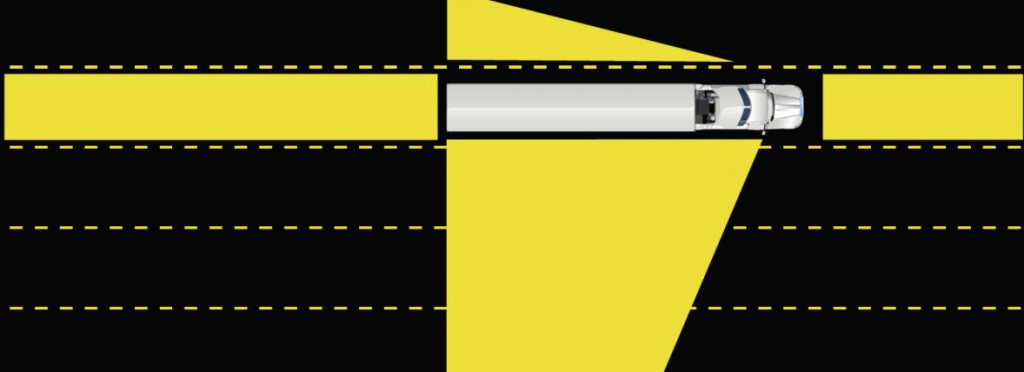
It is dangerous if a semi-truck is overloaded because a tractor–trailer carrying more weight than it was built to handle stops being a truck and starts being a threat. The braking systems strain under the extra load, and steering can become sluggish and unpredictable.
When any one of those things gives out at highway speed, the consequences can be devastating for everyone nearby. Overloaded semi-trucks are not just a mechanical problem. They are a safety failure that often traces back to decisions made long before the driver ever got behind the wheel.
If you were hurt in one of these crashes, a Charlotte overloaded cargo truck accident lawyer can help you trace those decisions, identify who is responsible, and fight for the compensation you are owed.
What Does “Overloaded” Actually Mean?
Federal regulations set strict truck weight limits on how much a commercial vehicle can carry. The legal maximum for most large trucks on U.S. highways is 80,000 pounds, covering the total weight of the truck, trailer, and cargo combined.
When a truck exceeds load limits, even by a few thousand pounds, it starts to behave differently. Stopping distances get longer. Turns become harder to make safely. Tires wear down faster. The frame takes on stress it was never designed to handle.
Some trucking companies push past weight regulations to haul more freight in fewer trips. More trips cost more money and eat into delivery schedules. A Charlotte truck accident lawyer can search for evidence of this type of negligence to validate your personal injury claim.
For a free legal consultation, call (877) 333-1000
Why Overloaded Trucks Are So Dangerous and Difficult to Stop
A standard semi-truck traveling at highway speed already needs the length of a football field to come to a full stop. Add tens of thousands of extra pounds, and that stopping distance grows even longer.
When a driver ahead brakes suddenly, or road conditions change quickly, an overloaded truck simply may not stop in time. Brake system failure in these situations is not a fluke. Braking systems on commercial trucks are designed around specific load weight limitations.
Push past those limits and the brakes overheat, wear out faster, or fail entirely. That is a predictable outcome of hauling too much weight, and it is one of the leading causes of load-related truck crashes.
The Tire Problem Nobody Talks About
Truck tires are rated to carry a certain amount of weight. Go over that rating, and the tires start to fail.
Overloaded tires run hotter than normal. Heat builds up in the rubber, and over time, or sometimes very quickly on a long highway stretch, that heat causes a blowout. A tire blowout on a big truck traveling at 65 miles per hour is a serious, life-threatening event.
When a rear tire blows, the driver can lose control. The trailer can jackknife, which is when the trailer swings out sideways from the cab. A jackknifed truck can sweep across multiple lanes of traffic in seconds.
Click to contact our personal injury lawyers today
Overloaded Trucks and Rollover Accidents
Large trucks have a high center of gravity to begin with, meaning they are already more likely to tip over than a regular passenger vehicle. Add extra weight, especially if that weight is stacked high or loaded unevenly, and the risk of a truck rolling over goes up significantly.
Rollover accidents happen most often when a driver takes a curve too fast, makes a sudden lane change, or hits an unexpected dip in the road. These are ordinary driving situations. A properly loaded truck can handle them. An overloaded one may not.
Complete a Free Case Evaluation form now
When the Load Is Unevenly Distributed
Semi-truck overloading is not only about total load weight. How cargo is loaded matters just as much.
If the weight inside the trailer is pushed too far to one side or stacked too high without being properly secured, the truck becomes unstable even at legal weight limits. Unsecured cargo shifts during turns and lane changes, throwing off vehicle stability in ways that can lead to a crash.
Federal regulations require cargo to be properly distributed and secured. Cargo manifests are supposed to document what is being hauled and how it is loaded. When loaders and drivers skip these steps to save time or cut costs, they create a rolling hazard for everyone else on the road.
Who Is Responsible When an Overloaded Truck Causes a Crash?
Several parties can share responsibility for truck accidents caused by overloading:
- The trucking company, if it pressured drivers to haul past load limits or failed to weigh freight before it left the facility
- The cargo loading company, if they improperly loaded or failed to secure freight
- The truck driver, if they knew the load was over the legal limits and drove anyway
- The shipper, if they provided inaccurate weight information to the carrier
Trucking companies are required to keep records, including weigh station records, driver logs, and reports from roadside inspections. Those records can make or break a personal injury claim.
The problem is that trucking companies and their insurance company representatives often move quickly after a crash to protect themselves. Evidence can disappear fast, but an experienced personal injury attorney can work to ensure that important evidence is preserved.
Get the Help You Deserve
Overloaded truck crashes are often the result of choices made by companies and individuals who put profit over safety. If you or someone you love was injured in the Charlotte area, DeMayo Law Offices is ready to help.
Our Charlotte personal injury lawyers handle truck accident cases on a contingency basis, meaning you pay nothing unless they recover compensation for you. Call for a free consultation and find out exactly where you stand.
Call or text (877) 333-1000 or complete a Free Case Evaluation form