Who is responsible for an overloaded truck accident depends on where the decision to overload the truck was made , and that decision rarely traces back to just one person.
Responsibility can fall on the trucking company, the cargo loading crew, the shipper, or the driver, and in many cases, more than one of these parties shares fault.
If you were hurt in a crash involving an overloaded commercial truck in North Carolina, a Charlotte overloaded cargo truck accident lawyer can help identify who made the decisions that put you in danger and hold them accountable.
Why Overloaded Trucks Are So Dangerous
Federal law caps most commercial trucks at 80,000 pounds total, covering the truck, trailer, and cargo combined. When a truck exceeds that limit, the entire vehicle starts to behave differently in ways that compound quickly at highway speed.
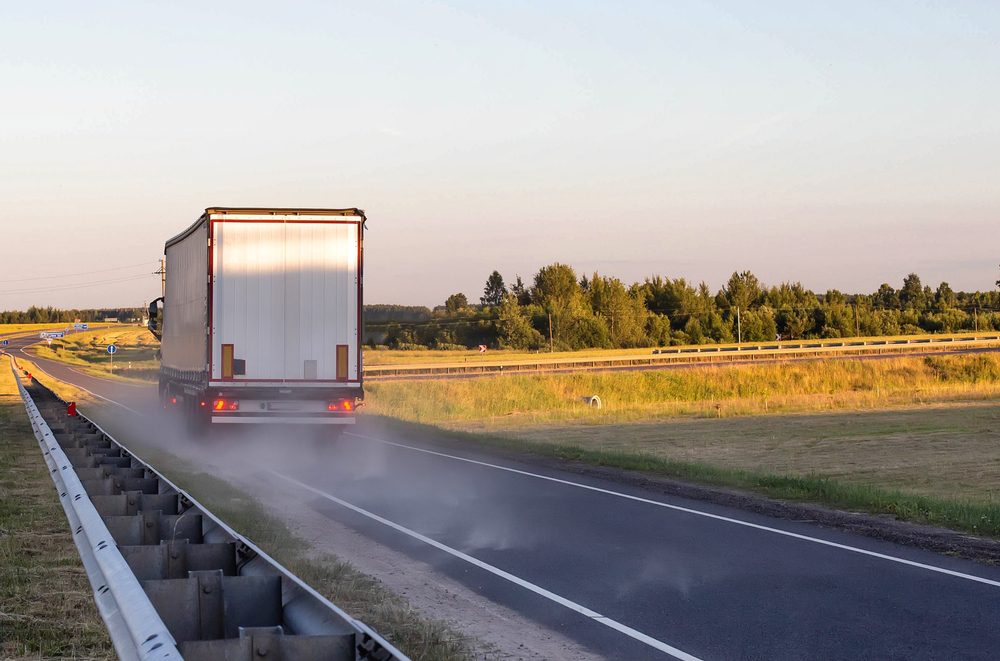
Stopping distances get longer because the brakes are being asked to slow down more weight than they were designed to handle. Tires overheat and become more prone to blowouts. The truck’s center of gravity shifts, making rollovers more likely on curves and sudden lane changes.
These are not random failures. They are predictable consequences of a decision someone made before the truck ever left the loading dock.
For a free legal consultation, call (877) 333-1000
Who Can Be Held Responsible?
This is where overloaded truck accident liability gets complicated, and where having a truck accident lawyer in Charlotte who knows how to investigate matters most.
Multiple parties can share liability, and each one will have lawyers and insurers working to minimize their exposure the moment a crash occurs.
The Trucking Company
Federal Motor Carrier Safety Administration regulations are clear: trucking companies are responsible for making sure their vehicles meet weight requirements before they hit the road. A company that fails to meet these standards is sending a dangerous vehicle into traffic and hoping nothing goes wrong.
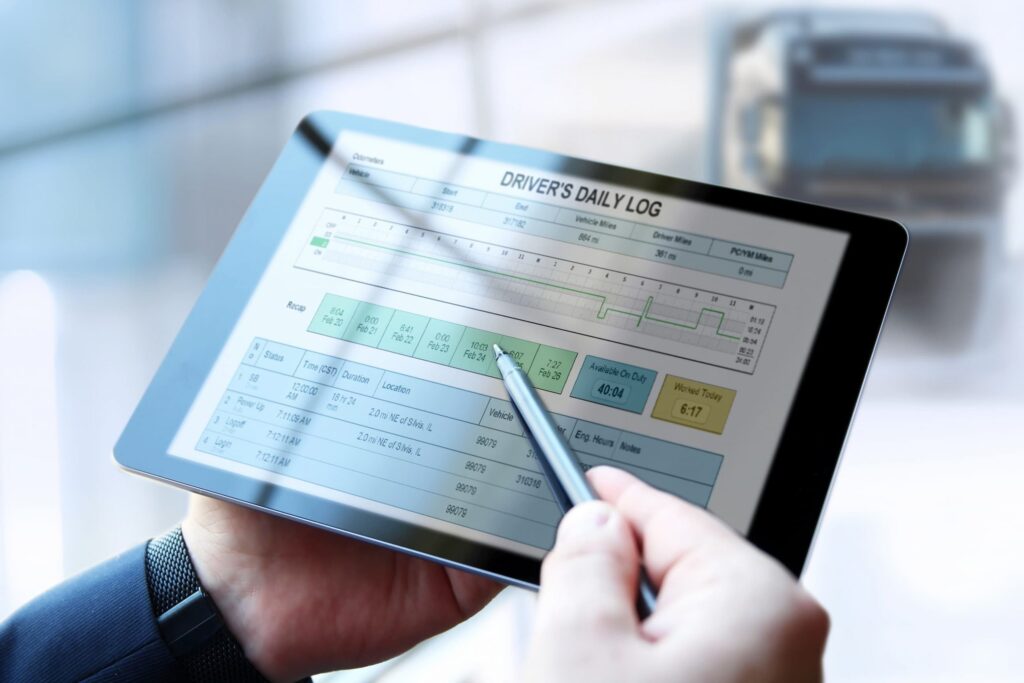
What makes these companies particularly difficult to deal with after a crash is that they know exactly what their records contain. Driver logs, weigh tickets, and inspection reports can tell the full story of what happened and why.
Those documents do not stay available forever, and trucking companies are aware of that, too.
The Cargo Loading Company
In many trucking operations, the company that drives the truck is not the same company that loads it. Third-party cargo loaders handle the freight and have their own legal responsibilities regarding weight distribution and load security.
Cargo manifests and warehouse records all become relevant evidence when building a case against a loading company.
The Driver of the Overloaded Truck
Drivers have real responsibilities before they pull out of the lot. They are expected to check the load and review the weight documentation. If a driver saw a number that exceeded legal limits and got behind the wheel anyway, that decision carries consequences.
That said, it is worth being honest about the position many drivers are in. The pressure to keep moving is real and constant, and not everyone feels like they can push back without risking their job.
Holding a driver accountable does not mean the company walks away clean. In most cases, a thorough investigation shows that responsibility was spread across more than one party, and we look at all of them.
The Maintenance Company
An overloaded truck puts serious stress on components that were already working hard under normal conditions. Brakes, tires, and suspension systems all take the hit when a truck is carrying more than it should.
If a third-party maintenance provider had the opportunity to catch worn or failing components and did not, and if that failure played a role in the crash, they can be held liable. Maintenance is not a passive responsibility. When it is done carelessly, the consequences end up on the road.
How Fault Gets Proven
Establishing responsibility in an overloaded truck case requires evidence, and that evidence has to be gathered quickly. Trucking companies and their insurers begin their own investigation immediately after a crash, and they are not working to make your claim any easier.
Evidence we look for can include
- Weigh station records and weigh tickets
- Cargo manifests and loading documentation
- Driver logs and hours-of-service records
- Black box data
- Maintenance records showing the condition of brakes, tires, and suspension systems
- Roadside inspection reports
- Accident reconstruction analysis from specialists who can connect the overloading directly to what caused the crash
Click to contact our personal injury lawyers today
In an Accident Claim, Liability Will Impact Your Compensation
North Carolina uses a legal standard called contributory negligence, and it is one of the strictest in the country. Under this rule, if an injured person is found to be even slightly at fault for the crash, they can be completely barred from recovering compensation.
Trucking company insurers know this rule well, and they use it deliberately. After a crash, their adjusters will look for anything they can point to as contributing driver error on your part, whether that is following distance, lane position, speed, or anything else they can find in the evidence.
This is a significant reason why what you say in the immediate aftermath of a crash matters, and why speaking with an attorney before giving any recorded statement to an insurance company is worth taking seriously.
Complete a Free Case Evaluation form now
Contact a Truck Accident Attorney for a Free Consultation
Overloaded truck accidents are not random events. They result from choices made by people and companies who knew the rules and decided the rules were negotiable. When those choices put someone in the hospital or cost a family everything, accountability matters.
DeMayo Law Offices has spent decades representing people injured in rollover accidents and crashes caused by brake failure or tire blowouts. Our Charlotte personal injury lawyers know how to take on the trucking companies and insurers who fight hard to avoid paying what victims are owed.
If you or someone you love was injured in an overloaded truck crash, reach out for a free consultation . No cost, no pressure, just information about your rights and your options.
Call or text (877) 333-1000 or complete a Free Case Evaluation form