Who is liable in a head-on truck crash? The answer depends on what caused the collision and who had control over the truck at the time. In many cases, the truck driver may be responsible if they violated laws or drove when they were impaired or drowsy.
In other situations, the trucking company, a maintenance provider, or even a parts manufacturer may share fault. A Charlotte truck accident lawyer will usually look beyond the driver to see whether company policies or safety violations played a role.
Figuring out who is legally responsible requires a close review of evidence and help from a skilled lawyer. Let’s examine who can be held liable for a crash and what can impact that liability.
How Is Fault Determined in Head-On Collisions?
Head-on collisions usually happen when one vehicle crosses the center line or enters the wrong lane. Determining fault in a head-on means figuring out which driver left their lane and what caused it. That answer comes from evidence gathered at the scene and in the days that follow.
A Charlotte personal injury lawyer can help gather and analyze evidence before it is compromised or lost. Here are some of the things investigators and attorneys look at to determine liability.
Police Reports
Officers document the position of the vehicles, road conditions, weather, skid marks, and statements from drivers and witnesses. Their observations often provide a starting point for determining who crossed into oncoming traffic.
Physical Evidence at the Scene
Skid marks, debris, and vehicle damage patterns can show the angle of impact and which vehicle moved out of its lane. Photos and traffic camera footage can add clarity.
In truck crashes, electronic data recorders, often called “black boxes,” may show speed, braking, and steering activity just before the crash.
Driver Behavior
Fault is often tied to driver actions. Common causes include:
- Distracted driving
- Fatigue
- Speeding
- Driving under the influence
- Falling asleep at the wheel
Cell phone records, toxicology reports, and driving logs may help confirm what happened.
Mechanical Problems
Sometimes a mechanical failure contributes to the crash. Brake failure, tire blowouts, or steering defects can cause a vehicle to veer into oncoming traffic. An experienced truck accident attorney can examine maintenance records to help determine whether the issue was preventable.
For a free legal consultation, call (877) 333-1000
North Carolina’s Strict Fault Rule
North Carolina follows contributory negligence. This means if you are found even 1% at fault, you may be barred from recovering compensation. Because of this rule, insurance companies often try to argue shared blame.
A thorough investigation helps protect your ability to pursue a claim and clarify who is legally responsible. Lawyers understand what to look for when conducting evaluations to determine liability and work to protect your rights.
Who Might Be Responsible for a Head-On Truck Collision?
Commercial trucking accidents are complicated because so many parties are involved. It takes multiple people and entities to ensure the safe operation of a large truck. Even when the truck driver seems to be at fault, there can be many factors at play that can impact liability and your case.
The Truck Driver
Truck drivers have a duty to operate their vehicles safely. If a driver drifts into oncoming traffic, drives under the influence, speeds, or ignores traffic signals, they can be held liable.
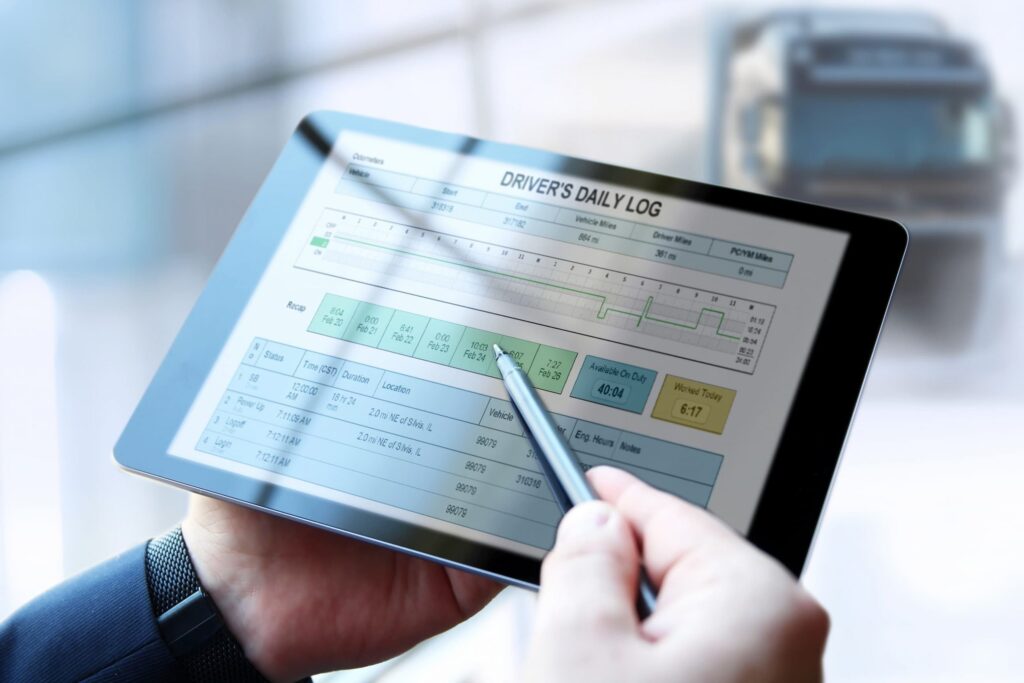
Driver fatigue is a common factor. Federal trucking regulations limit how many hours a truck driver can be on the road without rest. If logbooks or electronic data show those limits were ignored, that can point directly to negligence.
The Trucking Company
Employers are often liable for the actions of their drivers during work hours. This legal concept is called “vicarious liability,” which means a company can be held accountable for its employee’s actions on the job.
A company may also be directly responsible if it:
- Failed to properly train the driver
- Encouraged unsafe schedules
- Ignored maintenance issues
- Hired someone with a poor driving history
Company records can reveal patterns that contributed to the crash.
Maintenance Providers and Cargo Loaders
Large trucks require constant inspection and maintenance. If brake systems, steering components, or tires fail because of poor maintenance, the repair company could be liable for a head-on truck crash.
Improperly loaded cargo can also cause a truck to shift or jackknife into oncoming traffic. In those cases, the company responsible for loading the trailer may share fault.
Vehicle or Parts Manufacturers
Some head-on crashes happen because of mechanical defects. Faulty brakes, defective steering systems, or tire blowouts can send a truck across the center line. If a defective part caused the crash, the manufacturer may be responsible under product liability laws.
Click to contact our personal injury lawyers today
Learn More About Liability After a Head-On Truck Crash
Liability after a head-on truck crash is rarely simple. More than one party may share responsibility, and trucking companies and insurers often try to shift blame. At the same time, North Carolina’s contributory negligence rule means even a small shift in blame can affect your ability to recover compensation.
When you have an attorney, it is possible to gather records, secure black box data, review the truck driver’s travel logs, and work with experts to reconstruct what happened. We can also handle conversations with insurance adjusters and push back if blame is unfairly placed on you.
If you have questions about who may be liable in your case, consider speaking with an attorney for clear guidance about your options and next steps. Contact DeMayo Law Offices today for a free, no-obligation consultation.
Call or text (877) 333-1000 or complete a Free Case Evaluation form