In most rear-end truck accidents, the driver who hits another vehicle from behind is usually at fault. North Carolina law allows that conclusion to change if the facts show something else caused the crash.
Factors such as timing, speed, road conditions, and driver conduct can affect decisions about who is responsible for crash-related damages. Our Charlotte truck accident lawyer will address these details when an insurance company is investigating a rear-end crash and disputing fault in North Carolina.
Why Rear-End Truck Accidents Raise Questions About Fault
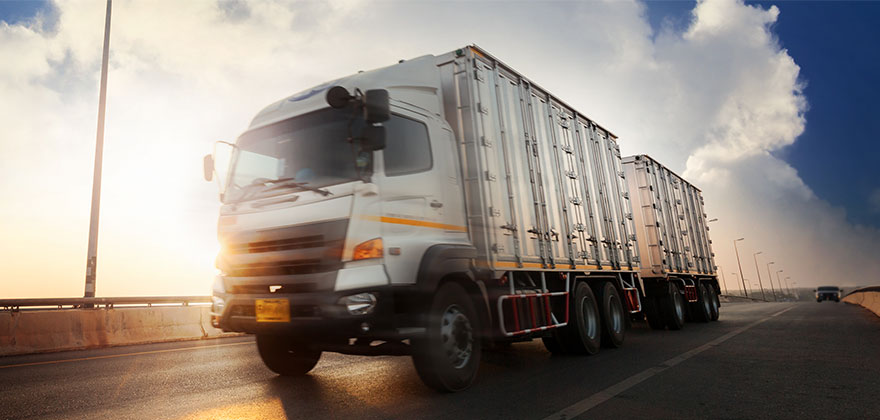
Rear-end crashes involving trucks raise more questions than typical car accidents. Trucks are heavier, take longer to stop, and often travel under tight delivery schedules and deadlines. A small mistake can cause serious harm.
Because of the size and force involved, these crashes often lead to serious injuries and large claims. That reality makes fault a central issue from the start.
For a free legal consultation, call (877) 333-1000
North Carolina Law Sets a General Rule for Rear-End Crashes
In North Carolina, leaving enough room between cars to stop safely isn’t just a courtesy—it’s the law. Under G.S. § 20-152.1, drivers must not follow another vehicle more closely than is reasonable for traffic and road conditions.
When a truck hits a vehicle from behind, investigators often start with the assumption that the truck driver failed to leave enough space.
When the Truck Driver Is Usually at Fault for a Back-End Collision
In many cases, truck drivers are found responsible when the evidence shows they did not adjust to traffic conditions safely.
Common examples include:
- Driving too closely to other vehicles in slow or stopped traffic
- Failing to brake in time to avoid a collision
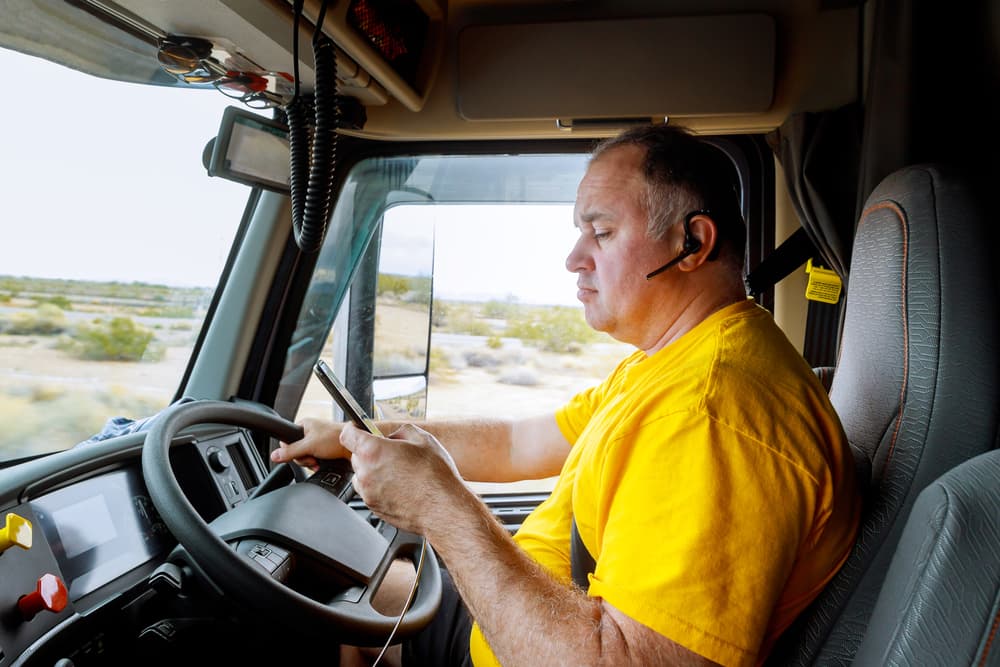
- Looking away from the road before the vehicles make contact
- Misjudging how long it would take the truck to come to a complete stop
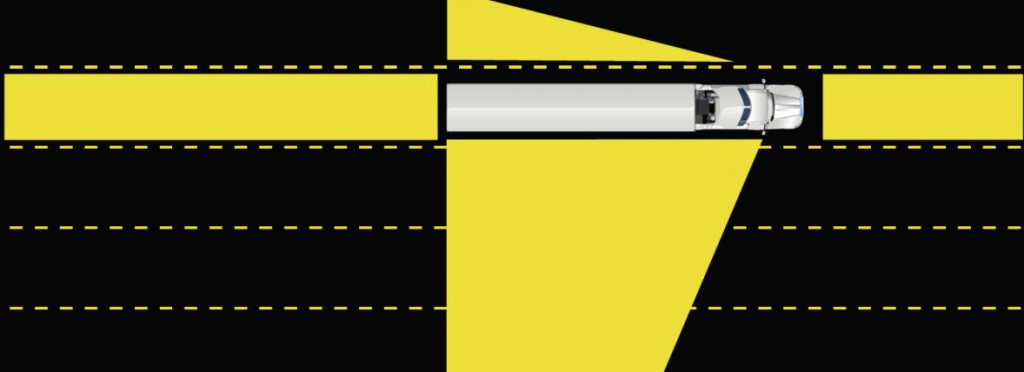
Large trucks need more time and distance to stop. When that space is not there, the risk of a rear-end crash increases quickly.
Click to contact our personal injury lawyers today
Situations Where the Driver in the Front Vehicle May Be Blamed
Insurance companies can look for signs that the driver in the front vehicle played a role in an accident, too. They may raise issues such as:
- Making a sudden or unsafe stop without a clear reason
- Driving with broken or missing brake lights
- Cutting in front of a truck without leaving enough room to slow down
- Backing up unexpectedly in traffic or at an intersection
North Carolina follows a pure contributory negligence rule. If an injured driver is found even slightly at fault, recovery of damages may be barred.
Complete a Free Case Evaluation form now
How Speed, Traffic, and Road Conditions Affect Fault
Speed matters when deciding who caused a crash, even when a driver stays under the posted limit. North Carolina law requires drivers to travel at a reasonable speed for the conditions.
Investigators can look at:
- The weather at the time of the crash and how it affected stopping distance
- Traffic backups or construction zones that required slower driving
- Whether the truck slowed when conditions changed
A truck driver who failed to adjust to rain, fog, or congestion may still have to accept blame for the collision.
Other Evidence Can Help Show Who’s At Fault
Clear evidence often decides fault in rear-end truck cases.
Helpful materials may include:
- Police crash reports
- Dash camera or traffic camera footage
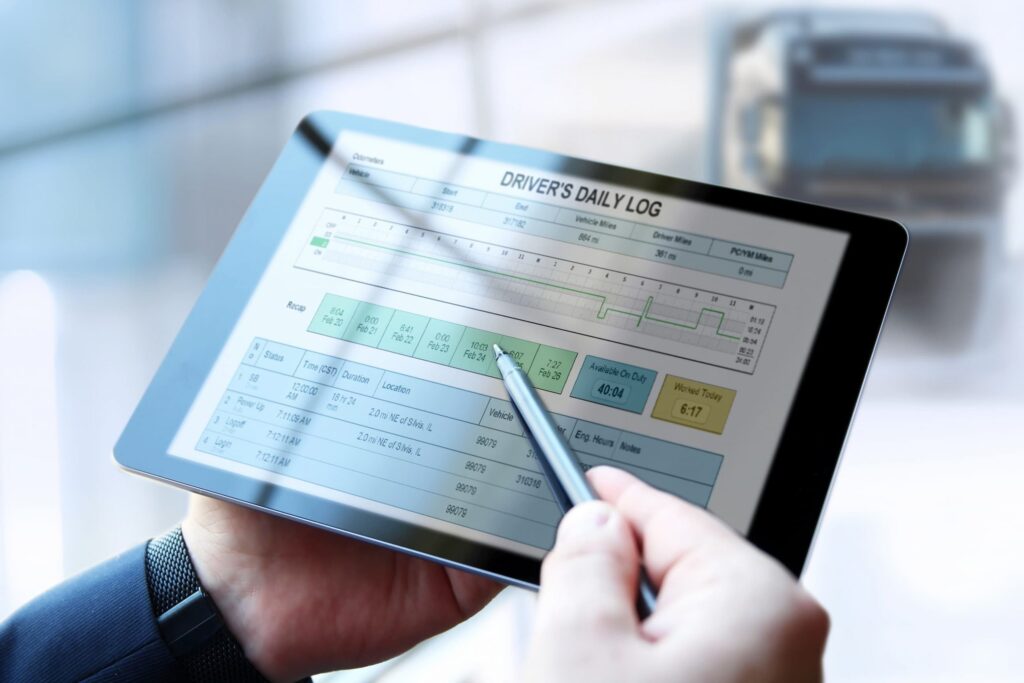
- Electronic logging device data
- Vehicle damage patterns
- Witness statements
Physical evidence can explain what words cannot.
What Other Parties Can Be Liable for a Truck Crash?
Fault may extend beyond the truck driver. Commercial crashes often involve multiple parties.
Responsibility may include:
- A trucking company that pushed unsafe schedules or deadlines onto the driver
- A maintenance provider that failed to service brakes
- A cargo loader who caused an imbalance when loading the vehicle
- A manufacturer of a vehicle part that didn’t work properly or at all
A Charlotte personal injury lawyer from our firm will go over driver logs, contracts, and inspection records to see who may be at fault.
How Insurance Companies Investigate Rear-End Truck Crashes
After a rear-end truck crash, insurance companies move quickly to review what happened and who should be blamed. They usually focus on how traffic changed before the impact, whether drivers reacted in time, and how injuries are reported.
Claims reviews may involve repeated questions, close scrutiny of medical records, and long review periods while evidence is examined. As time passes, records can become harder to gather, which can affect how fault is evaluated.
Challenges That Can Make Fault Hard to Prove
Rear-end truck claims may face hurdles such as:
- Conflicting driver statements
- Lost or overwritten electronic data
- Several insurance companies blaming one another
- Strict contributory negligence rules
These issues can change how a claim moves forward. As we review your situation, we will advise you on the challenges that are unique to your case and how we address them.
How Fault Is Reviewed After a Rear-End Truck Accident
Fault is reviewed by looking closely at what the records show and how the events unfolded before impact. The focus is on why the truck failed to stop in time and whether traffic laws were followed during braking, lane changes, or sudden slowdowns.
Vehicle damage and scene evidence are examined to see how the collision occurred and whether those details match the statements given after the crash. When accounts do not line up with the physical evidence, those gaps can affect how responsibility is assigned.
As the review continues, communication with insurance companies helps track how the claim is being evaluated. If the facts support further action, the review may lead to a formal claim or court filing.
Filing Deadlines for an Injury Lawsuit in North Carolina
North Carolina sets strict deadlines for injury claims.
- Most personal injury lawsuits must be filed within three years under G.S. § 1-52.
- Wrongful death actions must be filed within two years under G.S. § 1-53.
Missing these time limits will end your right to seek damages. Getting an attorney from our team involved early can keep your lawsuit on track while you or your loved one recovers.
Talk With Our Charlotte Truck Accident Lawyer About Fault
DeMayo Law Offices helps people across North Carolina resolve fault questions after rear-end truck accidents, especially when insurers dispute who caused the crash. We review everything, including insurer findings, to show how responsibility should be assigned.
Our firm has recovered over $1 billion for clients and brings more than 250 years of combined legal experience to each case. We deal directly with insurance companies and prepare cases for court when fault is contested.
You pay nothing up front, and we only get paid if we win. Whether a claim is large or small, DeMayo Law Offices focuses on people first. We are Your North Carolina Law Firm™. Contact us for a free consultation.
Call or text (877) 333-1000 or complete a Free Case Evaluation form