In North Carolina, the legal weight limits for commercial trucks are a maximum gross weight of 80,000 pounds on interstate highways. That said, there are additional rules governing axle weight and load distribution.
If you were hurt in a collision with a commercial truck, don’t hesitate to contact a Charlotte truck accident lawyer as soon as possible. Your attorney can help you pinpoint the cause of the crash and figure out if the commercial truck surpassed the state’s legal weight limits at the time.
Why Do Truck Weight Limits Matter After an Accident?
After a crash involving a commercial truck, an important question is whether or not the vehicle was operating safely at the time of the collision. Weight limits exist for this reason; without them, accidents would be more likely.
When a truck is overloaded on the road, it becomes harder to control, takes longer to stop, and becomes more likely to cause severe damage in a collision. From a legal standpoint, weight limits are enforceable safety rules.
As a result, if a truck exceeds those limits, this behavior can be considered evidence of negligence, which plays a major role in the process of determining who is responsible for the crash.
For a free legal consultation, call (877) 333-1000
What Are the Legal Weight Limits for Commercial Trucks in North Carolina?
In the state of North Carolina, commercial trucks must adhere to state laws and federal regulations regarding weight. In general, the maximum allowable weight for a standard commercial truck on interstate highways is 80,000 pounds of gross vehicle weight.
There are also limits on how the weight is distributed across the truck. For example, only a certain amount of weight can be placed on each axle. These rules are designed to prevent unsafe conditions like brake failure, tire blowouts, and loss of control.
In some cases, trucks are permitted to carry heavier loads as long as they have special permits. However, those permits coincide with strict requirements, and if a trucking company fails to uphold said rules, the company can be held responsible for any harm that results.
Who Can Be Held Responsible for an Overloaded Truck?
In these cases, responsibility is often shared. The driver is not necessarily the only one at fault after an accident. The trucking company might be responsible if it engaged in any of these behaviors:
- Encouraged unsafe practices
- Failed to enforce weight limits
- Did not properly train their drivers
A cargo loading company could also be at fault if it improperly loaded the truck or exceeded legal limits, even if it was accidental. There are even situations where maintenance providers or third parties also share responsibility for the collision.
Click to contact our personal injury lawyers today
How Do Lawyers Prove a Truck Was Overweight?
Claiming that a vehicle exceeded legal weight limits for commercial trucks in North Carolina requires proof beyond speculation. It takes evidence, investigation, and experience to show that negligence resulted in an overly-loaded vehicle.
Here’s what attorneys usually review:
- Weigh station records
- Shipping and cargo documents
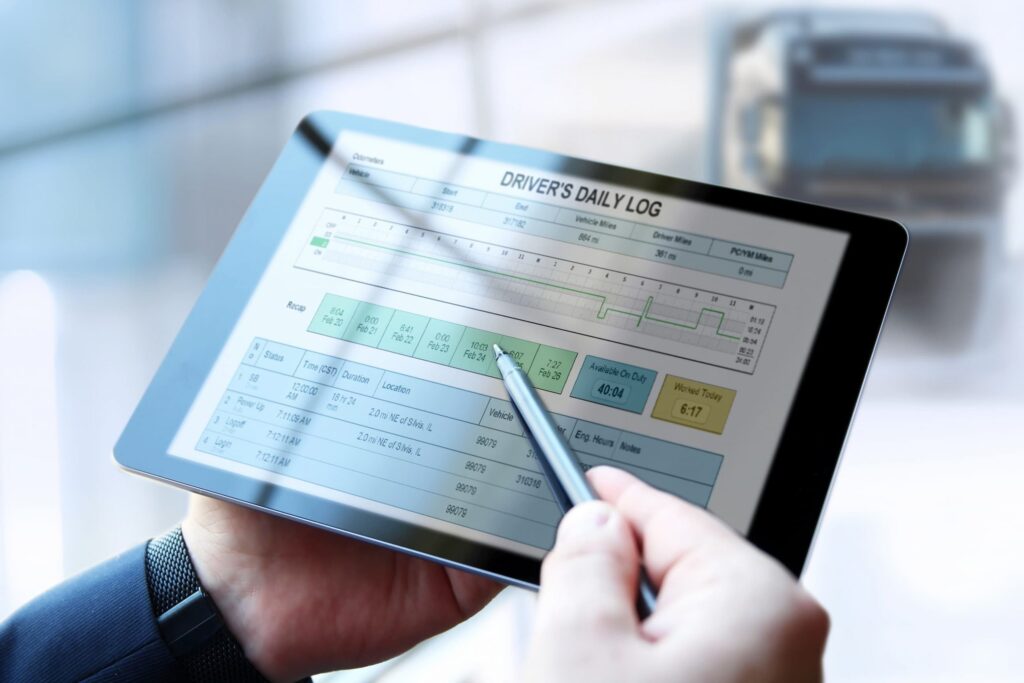
- Driver logs
- Inspection reports
- Black box data
These records can reveal if the truck was overloaded and whether safety regulations were violated. In many cases, neither trucking companies nor their insurers will willingly provide this information without legal pressure.
Complete a Free Case Evaluation form now
How Do Insurance Companies Handle These Cases?
If you have already heard from an insurance adjuster, you might have noticed how quickly they reached out to you. That is not by accident but by design. Insurance companies often move fast in order to control the narrative and limit what they have to pay you.
They might try to downplay the involvement of an overloaded truck or suggest that weight was not a factor in the crash. Sometimes, they offer settlements that seem reasonable in the moment despite not fully covering the extent of your losses.
How Does North Carolina Law Impact Your Case?
North Carolina follows a strict legal rule known as contributory negligence. This means that if you are found even slightly at fault for the incident, you might not be able to recover any compensation in your case.
The unfortunate aspect of this detail is that insurance companies are well aware of this rule, and in many instances, they try to use this to their advantage. They often attempt to shift blame onto victims of these collisions, even when the evidence shows otherwise.
This is one of many reasons it helps to have a strong legal team on your side. Your attorney will protect you from unfair blame and build cases that clearly show who is responsible.
Contact DeMayo Law Offices for Help Understanding the Legal Weight Limits for Commercial Trucks in North Carolina
If you’re looking for information regarding the legal weight limits for commercial trucks in North Carolina, call DeMayo Law Offices for support. As a law firm committed to providing more than just representation, we focus on creating an exceptional experience for all of our clients.
With over 250 years of combined experience, our team of more than 120 legal professionals knows how to uncover violations, build claims, and stand up to insurance companies that try to take advantage of victims.
Known as Your North Carolina Law Firm™, we focus on People Over Profits™. Since 1992, we have helped more than 125,000 clients and recovered over $1 billion for injured people. We’re here to help. After all, a right without a remedy is just a suggestion™.
Call or text (877) 333-1000 or complete a Free Case Evaluation form