Key Takeaways: Liability in a tanker truck explosion or chemical spill accident depends on identifying the safety failure that caused the crash, spill, fire, or exposure. Responsibility may extend beyond the driver to carriers, shippers, loaders, maintenance providers, manufacturers, or other companies involved with the tanker or hazardous material.
- Evidence may include shipping records, driver training files, electronic logs, tank maintenance records, loading procedures, video footage, and environmental testing.
- Federal hazardous materials rules can help establish whether required safety procedures were followed during transportation, loading, or unloading.
- Compensation may reflect medical costs, lost income, future treatment, property damage, and other documented losses.
- There is no reliable average settlement for tanker truck accident victims because injuries, chemical exposure, insurance coverage, and cleanup needs vary widely.
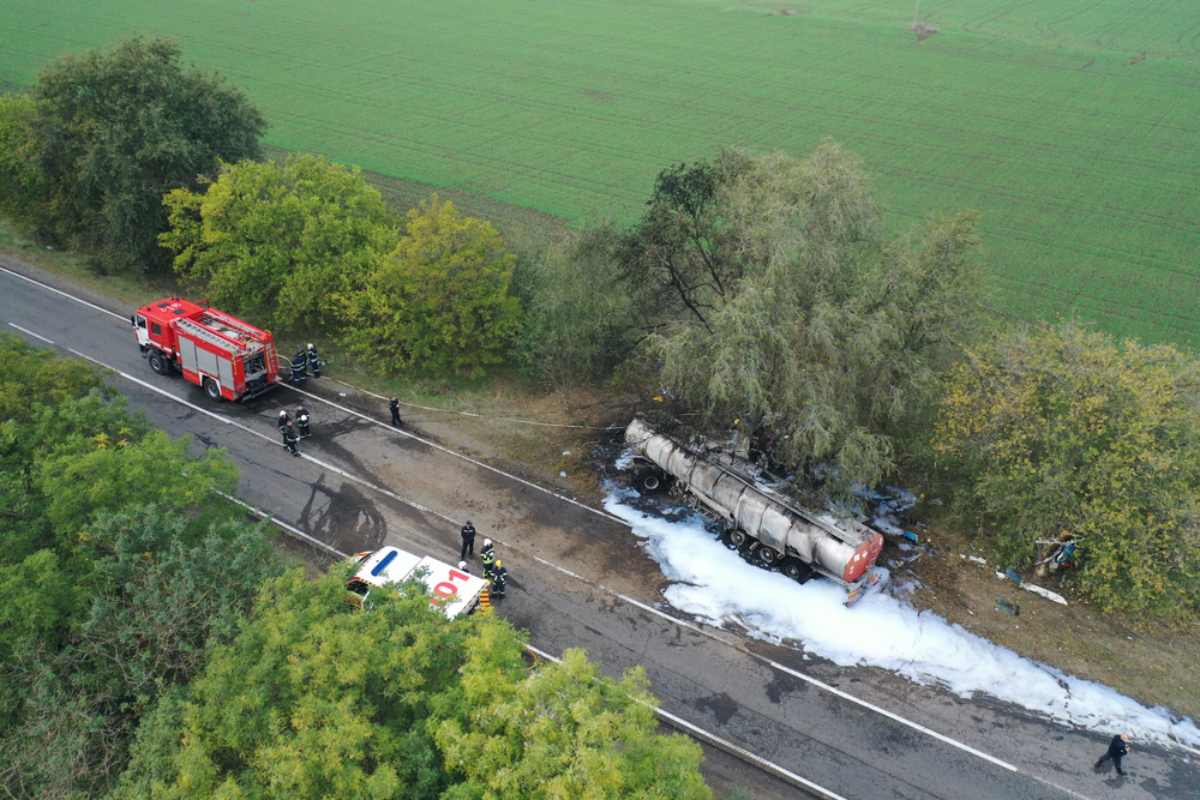
A truck crash alone can leave you facing serious injuries, but the danger increases significantly if the truck is a tanker carrying gasoline or dangerous chemicals. Even worse, a simple police report often can’t provide all the evidence necessary to prove liability. What do you do if multiple companies handle the cargo, for example?
Proving liability in a tanker truck explosion or chemical spill accident requires you or your legal team to make a clear connection between a safety failure and the release, fire, or collision. Furthermore, you must be able to clearly and accurately document the harm caused by the accident.
An investigation can trace the shipment from loading through delivery to find where the breakdown in safety occurred and ensure the correct party or parties are held responsible. Continue reading to learn more about who is liable for a hazardous materials truck accident or chemical spill.
How Is Liability in a Tanker Truck Explosion or Chemical Spill Accident Proven?
Federal hazardous materials rules assign duties involving cargo classification, packaging, vehicle condition, training, loading, and unloading, which can be complex. Liability is usually established by showing that a person or company owed a safety duty and failed to meet it, which ultimately resulted in the losses you faced.
You or your attorney will need to gather evidence, such as:
- Shipping papers
- Bills of lading
- Cargo manifests
- Driver training files
- Hazardous materials endorsements
- Electronic logs
- Onboard data
- Dispatch messages
- Tank inspection, testing, and maintenance records
- Loading procedures
- Video footage
- Witness accounts
- Emergency reports
- Medical records
- Environmental testing reports
How do these documents help? Essentially, they can be used to tell the story of what went on before and during the accident.
For example, federal law generally requires a qualified person to attend cargo tank loading and unloading. A violation of these cargo tank rules can be a major part of proving liability. If you have documentation proving that such an individual was not in attendance, your case becomes stronger, and liability becomes clearer.
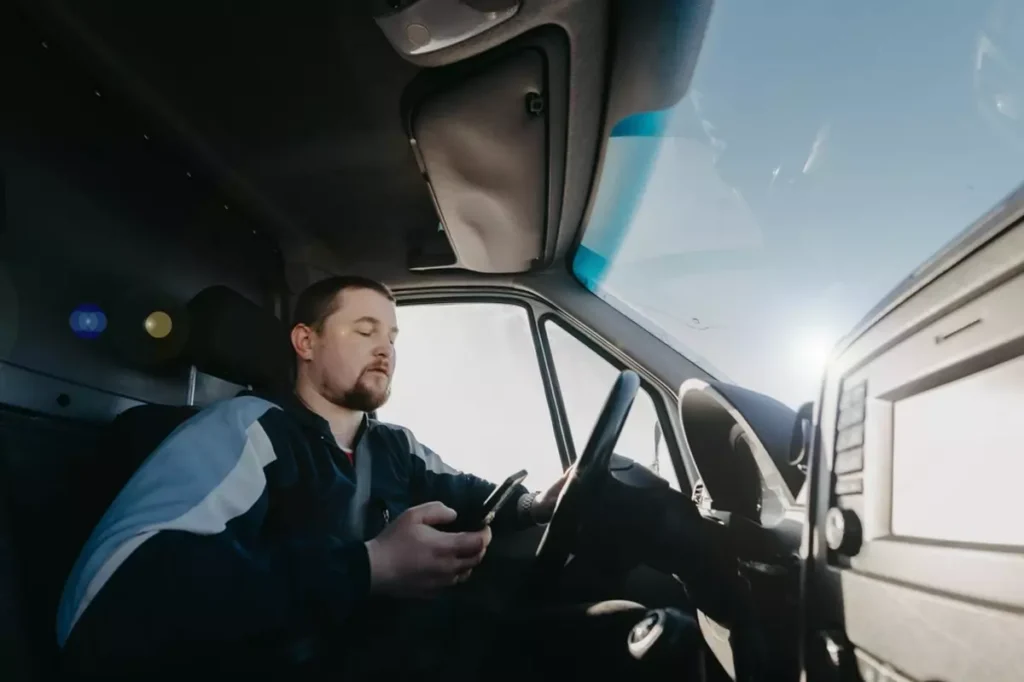
Other truck accident evidence can reveal different types of safety failures. Electronic logs can show whether the driver was driving at unsafe speeds, or even reveal an equipment failure. Evidence like dispatch messages can help prove a driver was experiencing fatigue at the time of an accident, and whether they were given appropriate breaks.
For a free legal consultation, call (877) 333-1000
Who Is Liable for a Hazardous Materials Truck Accident or Chemical Spill?
The party liable often, but not always, depends on who controlled the truck or chemical when the failure occurred. Thus, the driver might share liability with the motor carrier, shipper, loading contractor, tank owner, maintenance provider, manufacturer, or even the delivery facility.
North Carolina’s spill liability law may apply, too. When oil or another hazardous substance enters state waters, a person who had control over it may be strictly liable for harm to people or property. Since that definition can include carriers transporting the substance before release, it may contribute to liability.
Can You Sue After a Tanker Truck Spill Accident with Injuries?
You may be able to sue if you can clearly connect the accident to your injuries. You still need evidence showing that the spill or explosion caused the harm for which you seek compensation.
One of the strongest sources of evidence may be your own medical records, but only if you seek care and ensure your condition is documented. Those medical records may connect injuries like burns or symptoms like breathing problems to the exposure.
Likewise, property records can document contamination, and lost wage records and treatment plans can show how the accident actually affects your day-to-day life.
Click to contact our personal injury lawyers today
What Factors Affect Compensation in Tanker Truck Accidents?
Factors affecting compensation in tanker truck accidents include:
- Injury severity
- Recovery time
- Future treatment
- Lost earning ability
- The effect on daily life
- Property damage
- Environmental cleanup costs
Evidence strength can change the outcome. Insurance limits and the number of responsible parties matter too. Working with an experienced truck accident attorney can help you pursue maximum compensation.
Is There an Average Settlement for Tanker Truck Accident Victims?
There isn’t a reliable average settlement for tanker truck accident victims, as factors such as chemical danger, injury severity, cleanup needs, and available insurance vary too widely. Reported settlements often combine injury, property, and environmental claims. As a result, any figure you find may be misleading.
Complete a Free Case Evaluation form now
How Can a Tanker Truck Accident Lawyer Help?
A tanker truck accident lawyer acts quickly and with purpose to preserve the evidence that matters when proving liability. Your lawyer will focus on identifying each responsible company, so you can focus on your recovery. Furthermore, they may consult specialists who understand crash reconstruction, toxic exposure, or tank failures to help build a stronger case, which would be difficult to do alone.
DeMayo Law Offices can review what happened and explain your options under North Carolina law.
Schedule your free consultation today!
Call or text (877) 333-1000 or complete a Free Case Evaluation form