The speed limit for commercial trucks in North Carolina is the same as that for other motor vehicles: 70 mph on interstates and 55 on other roads, unless otherwise posted. In urban areas, speed limits hover between 25 mph and 35 mph.
Unlike some other states, North Carolina doesn’t specify separate speed limits for commercial vehicles. Instead, general speed limits for all roads are set at both the state and local municipal levels.
A North Carolina truck accident lawyer can explain how speed limit violations impact trucker liability in truck accident claims.
How Speed Limits Work in North Carolina
The NC Department of Transportation is responsible for setting the speed limits for all state roads in North Carolina, including highways, interchanges, and access roads. Inside city limits, local municipalities set speed limits for roads. These speed limits apply equally to commercial trucks in North Carolina as they do to passenger vehicles.
As a general rule, the statutory maximum speed limit for vehicles inside municipal limits is 35 mph, while the statutory maximum speed limit outside municipal limits is 55 mph. For roads that are part of the national interstate system, the NC DOT can set speed limits up to 70 mph.
Minimum Speeds in North Carolina
In addition to maximum speed limits, North Carolina also establishes minimum speed limits for highways and public roads. Minimum speed limits are:
- 45 mph in zones with a max speed of 55 mph
- 45 mph in zones with a max speed greater than 60 mph
Notably, these minimum speeds are only active and effective when posted on a sign indicating maximum and minimum speeds.
For a free legal consultation, call (877) 333-1000
What Counts as Speeding in North Carolina?
Speeding in North Carolina consists of driving at any speed over the posted speed limit (or statutory limit if not posted). Speeding can generally be divided into two categories:
- Non-criminal speeding. Going one to ten mph over the posted limit
- Criminal speeding. Going 15 mph+ over the speed limit
Technically, the police can pull you over for going any amount over the speed limit for any amount of time. However, they are less likely to punish minor infractions where the driver is going a few miles over the limit for short periods.
They are more likely to pull someone over for driving for a sustained period above the posted limit.
How Road Conditions Affect Speeding Rules
Additionally, speeding is defined as going faster than is reasonably prudent under the current road conditions. The law requires that drivers modify their speeds to account for safety in different circumstances.
For example, when it’s raining, drivers are expected to lower their speeds to maintain a reasonable and safe velocity. This means that you can get pulled over for speeding while going under the posted limit if you are going too fast and not accounting for road conditions.
Is Speeding by Truckers a Felony in North Carolina?
Speeding by truckers (and other drivers more generally) is generally considered an infraction, the lowest level of offense in North Carolina. Infractions are generally non-criminal in nature and only carry license penalties and fines.
Speeding more than 15 mph above the posted limit or above 80 mph on the interstate while driving a commercial vehicle can be charged as a class 2 criminal misdemeanor. A class 2 misdemeanor in North Carolina can carry a maximum of 60 days in jail and a fine up to a maximum of $1,000.
When Felony Charges May Apply
However, speeding in a commercial vehicle can be charged as a Class H felony offense if the offender flees law enforcement or any of the following two conditions are true:
- Speeding more than 15 mph over the posted limit
- Being under the influence of drugs
- Having a blood alcohol content (BAC) level greater than 0.14%
- Driving recklessly
- Causing an accident resulting in injury or death
- Driving on a suspended license
- Speeding while in a school zone
- Speeding with a minor in the vehicle
A Class H felony in North Carolina can be punished by between four and 25 months in prison and mandatory probation.
Click to contact our personal injury lawyers today
Why Speeding Can Matter for Personal Injury Cases
If you have been injured in a truck accident, one of the most important facts to determine is whether the truck driver was speeding. If the truck driver was violating traffic laws when the accident happened, they can be judged negligent and be responsible for paying for your injuries.
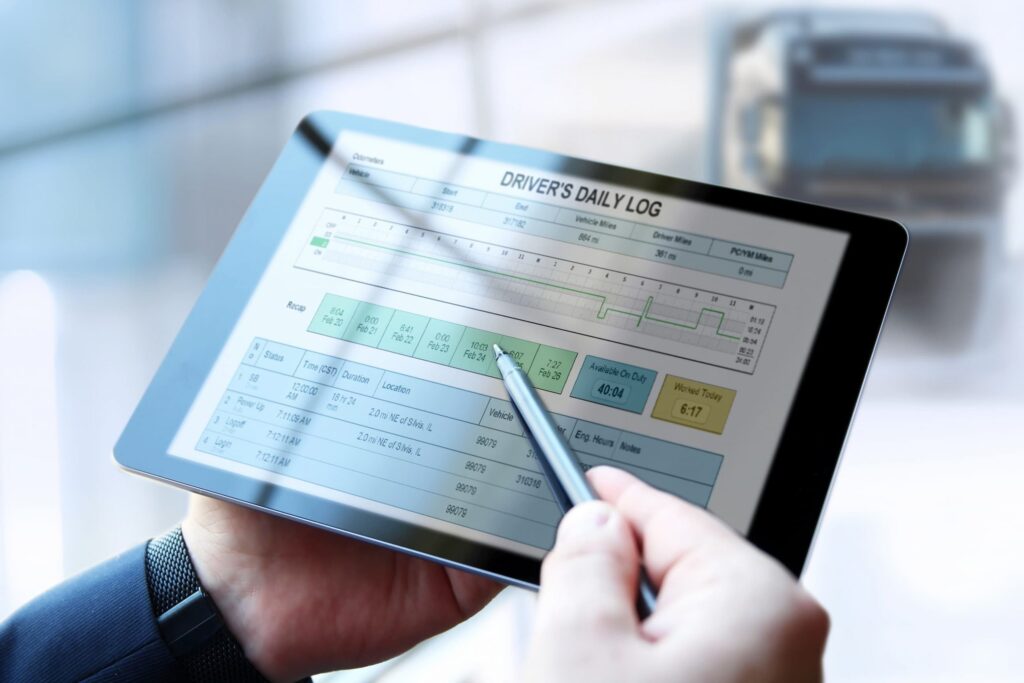
Fortunately, commercial vehicles have extremely precise electronic logging systems that record the vehicle’s speed and direction at all times. A lawyer can request this black-box data from commercial vehicles to determine how fast, exactly, the truck was moving when the accident happened.
Complete a Free Case Evaluation form now
Contact a Lawyer Today to Learn More About Speed Limits for Commercial Trucks in NC
Do you have any more questions about the speed limit for commercial trucks in North Carolina? If so, contact DeMayo Law Offices today to schedule a consultation with a team member. We are here to be Your North Carolina Law Firm™.
Call or text (877) 333-1000 or complete a Free Case Evaluation form