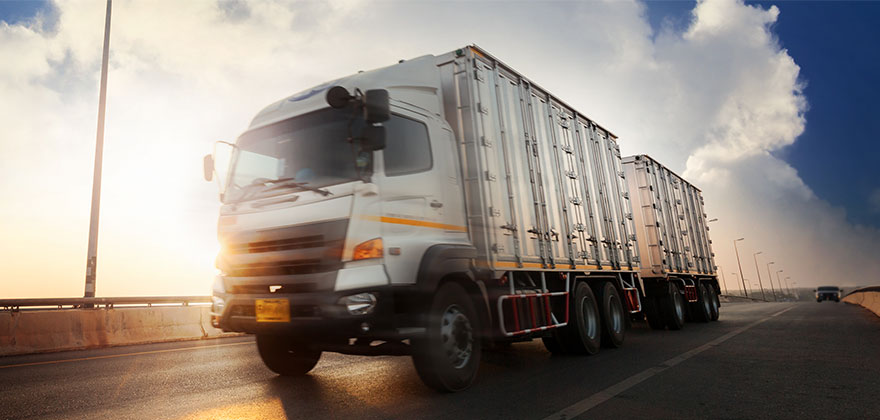
What is an underride truck accident? It’s a crash where a smaller vehicle slides underneath the rear or side of a large commercial truck. The top of the car can be crushed or sheared off because the truck sits much higher off the ground.
These collisions often happen at highway speeds and frequently cause catastrophic or fatal injuries. The force of impact goes directly into the windshield and roof area, where people are most vulnerable. Many trucks are required to have rear guards designed to stop cars from sliding underneath.
When those guards fail, are missing, or are poorly maintained, the consequences can be severe. If you’re researching this after a serious crash, our North Carolina underride truck accident lawyers have the information you need to know.
Why Underride Accidents Are So Dangerous
Passenger vehicles are built with crumple zones, sections of the car designed to absorb impact and protect the people inside during a crash. Airbags and reinforced frames work together to reduce injury in many collisions.
In an underride truck accident, those safety systems often fail to work as intended because the smaller vehicle slides beneath the truck’s trailer. Instead of the front of the car absorbing the force, the impact strikes higher up, near the windshield and roof.
That shift in impact can lead to devastating injuries, including:
- Severe head and traumatic brain injuries
- Spinal cord injuries and paralysis
- Crushing injuries to the chest and internal organs
- Fatal injuries
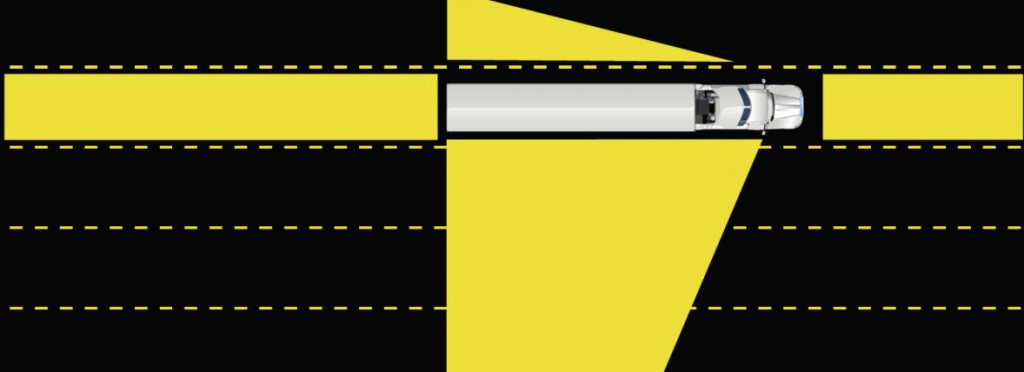
Side underride crashes carry added risks. At night or in low visibility conditions, a driver may not recognize that a long trailer is crossing the road ahead. By the time they react, there may be no space to stop.
A North Carolina truck accident lawyer can review the circumstances of your crash to determine if you have grounds for a personal injury claim to seek compensation for your losses.
For a free legal consultation, call (877) 333-1000
What Causes an Underride Truck Accident?
Several factors can lead to these crashes:
- Sudden stops by a tractor-trailer
- Poorly marked or unlit trailers
- Missing or defective rear underride guards
- Unsafe lane changes
- Driver fatigue
- Speeding
In some cases, the trucking company failed to inspect or repair safety equipment. In others, a truck driver made a careless decision that led to a preventable collision.
Federal safety rules require certain rear guards on trailers, though side guards are not always mandatory. When safety equipment is weak, outdated, or improperly installed, it may fail during impact. An experienced North Carolina personal injury lawyer can help determine the cause of your crash and identify who might be held liable.
How Do Side vs. Rear Underride Truck Accidents Differ?
Side and rear underride truck accidents both involve a smaller vehicle sliding beneath a large truck. The position of the impact changes how the crash happens and how severe the injuries can be.
What Is a Rear Underride Truck Accident?
A rear underride truck crash happens when a car hits the back of a tractor-trailer and slides underneath the trailer’s rear. These often occur in heavy traffic or on highways when a truck stops suddenly or has poor rear lighting.
Most trailers are required to have rear underride guards. These are metal bars mounted beneath the back of the trailer, designed to block a car from going underneath. When the guard works properly, it can reduce the severity of the crash. When it’s damaged or poorly installed, it may fail on impact.
Rear underride crashes frequently lead to severe head, neck, and chest injuries because the upper part of the car absorbs the force.
What Is a Side Underride Accident?
A side underride accident happens when a vehicle slides under the side of a trailer. This often occurs at intersections, during wide turns, or when a truck crosses lanes of traffic. Unlike rear guards, federal law does not consistently require strong side underride guards on most trailers.
That means there may be little to prevent a car from sliding underneath. The impact often strikes directly at windshield level, which increases the risk of fatal injuries.
However, the Stop Underrides Act 2.0 has been introduced in Congress to push legislation that would require side underride guards on trucks.
Why the Difference Matters
The type of underride accident affects how the crash is investigated and who may be responsible. In rear crashes, investigators often examine the condition and strength of the rear guard. In side crashes, visibility, lighting, reflective tape, and trailer design may become central issues.
Both types are serious. Both require careful investigation. The details can shape the legal case that follows.
Click to contact our personal injury lawyers today
Who Can Be Held Responsible?
Responsibility may extend beyond the truck driver. The trucking company could be liable if it failed to maintain equipment or pushed drivers to meet unrealistic delivery schedules. A maintenance contractor may share blame if repairs were done incorrectly.
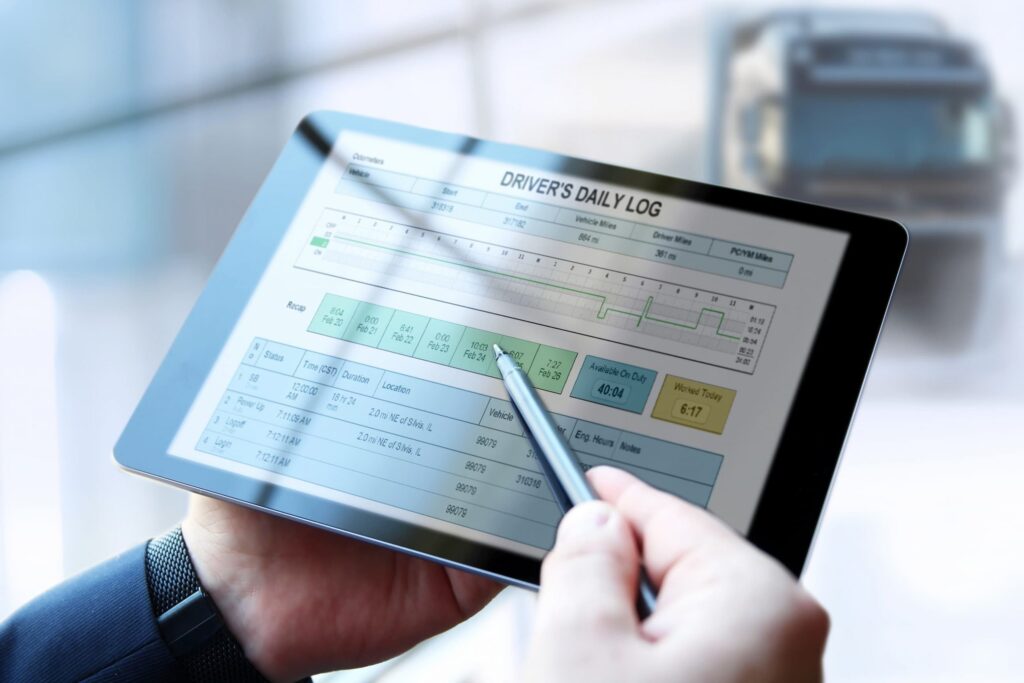
In rare cases, a manufacturer could be involved if a guard system was defectively designed. Truck accident cases often involve large insurance policies and aggressive defense teams. Evidence such as black box data, maintenance records, and driver logs can disappear quickly if no one steps in to preserve it.
Complete a Free Case Evaluation form now
Learn More About an Underride Truck Accident if You or a Loved One Has Been Injured
Underride truck accident claims are complex. They often require crash reconstruction experts, engineering analysis of guard systems, and a detailed review of federal trucking regulations. A legal team can investigate the crash, secure critical evidence, calculate long-term damages, and deal directly with insurers.
That allows you to focus on recovery. If you or a loved one has been injured in an underride collision in North Carolina, speaking with an attorney can help you protect your rights and make informed decisions.
The team at DeMayo Law Offices has experience handling serious truck accident cases across the state and can review your situation to help you determine your next steps. Contact us today for a free consultation.
Call or text (877) 333-1000 or complete a Free Case Evaluation form