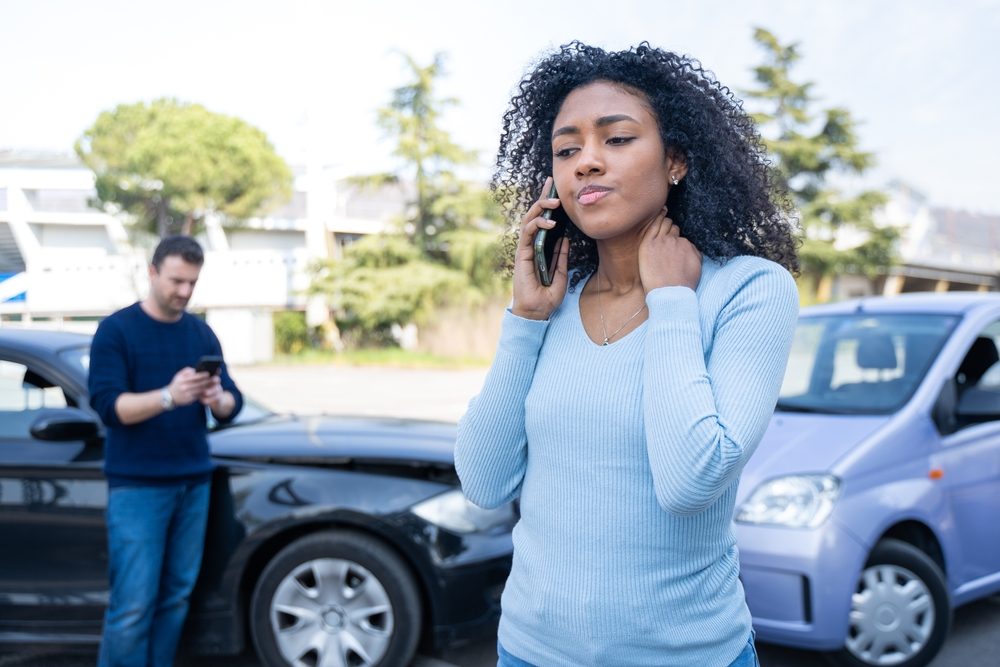
How fault is determined in a parking lot accident is decided by evaluating negligence rules, right-of-way, signage, speed, and available evidence to see who failed to use reasonable care.
Even in private parking lots, drivers are generally expected to follow the same standards of reasonable care they would on public roads, and posted signs and markings still carry legal weight. Investigators look at how each person involved was moving, whether traffic controls or markings were obeyed, and what objective proof shows about timing and visibility.
If you were involved in a parking lot collision, then a North Carolina car accident lawyer can support you through the legal process and gather the evidence needed to support your insurance claim.
Understanding How Fault is Determined in a Parking Lot Accident
In parking lot accidents, fault is usually based on negligence. This depends on who had the right-of-way, who had the duty to yield, and who failed to keep a proper lookout. Posted signs, painted arrows, and crosswalks carry weight, and the movement of each vehicle matters, such as backing, turning, or traveling in a through lane.
Even without a stop sign, drivers must slow and yield in aisles, especially when sight lines are limited. Pedestrians generally have priority in crosswalks, and drivers must watch for people walking to and from stores or between parked cars.
How Insurers Determine Fault in a Parking Lot Crash
Insurers evaluate several different factors when trying to determine fault. Adjusters may request surveillance from nearby businesses and compare impact points to claimed actions.
They often look at:
- Driver and witness statements
- Photographs
- Vehicle damage
- Video to reconstruct movements and timing
They also consider the geometry of the lot, signage, skid marks, and whether a driver was backing, cutting across spaces, or traveling in a designated through lane. Consistent, well-documented evidence often carries the most weight when assigning percentages of fault.
What Happens If Both Drivers Share Blame?
Many claims involve shared fault, where each driver’s actions contributed to the collision. In those cases, financial recovery can be reduced by the share of responsibility assigned to you under the applicable negligence rules.
For example, if you’re found 20% at fault for an accident and your total damages are $100,000, the amount you can recover depends on which negligence rule applies in your state. However, in states that follow a stricter contributory negligence standard, even a small percentage of fault on your part could bar you from recovering anything at all.
For a free legal consultation, call (877) 333-1000
Who Is at Fault When a Driver Is Backing Out or Pulling Through?
A driver who is backing out typically must yield to traffic already traveling in the aisle, so the reversing driver is often at fault if they back into a moving vehicle. That said, a through-lane driver may share blame if they were speeding, distracted, or ignored a clear right-of-way sign.
Common parking lot scenarios are evaluated this way:
- A reversing vehicle hits a car traveling in the aisle: the reversing driver is usually more at fault for failing to yield.
- Two cars back out at the same time and collide: fault is often shared, depending on lookout and speed.
- A driver cuts across empty spaces and strikes a vehicle in a lane: the driver cutting across is usually more at fault.
- A dooring incident into passing traffic: the person opening the door must check for oncoming vehicles, but passing drivers must proceed carefully.
- A pedestrian is struck in a crosswalk: drivers must yield; liability may increase with poor lookout or speed.
Because determining fault in a parking lot accident is rarely straightforward, gathering evidence is important for building a strong claim.
What Evidence Helps Prove Fault After a Parking Lot Accident?
Clear photos of vehicle positions, impact points, debris, skid marks, and signage help establish right-of-way and timing. Promptly gathering names and contact details for independent witnesses can strengthen your account.
Video can be decisive, so act quickly to request preservation of store or lot surveillance and to secure any dash cam footage. Keep all repair estimates and medical records, since damage patterns and injury timing can support how the crash occurred.
The stronger your evidence, the harder it becomes for an insurance company to dispute your version of events or inflate your share of fault. An experienced attorney can help you identify, preserve, and present that evidence in the most compelling way possible.
Click to contact our personal injury lawyers today
Do Parking Lot Owners Ever Share Liability for a Crash?
A parking lot owner may share liability if dangerous conditions contribute to a collision, such as obscured signs, poor lighting, confusing lane markings, or hazards that block visibility. When maintenance or design issues make safe driving difficult, responsibility might extend beyond the drivers involved.
Property conditions can become an important factor when considering how to determine fault in a parking lot accident. Equipment and work zones from vendors can create unsafe conditions without proper warnings.
Drivers still have a duty to drive cautiously, but if a property hazard or third-party condition contributes to the crash, liability may be shared.
Complete a Free Case Evaluation form now
Contact a Car Accident Lawyer to Help Determine Fault
When trying to understand how fault is determined in a parking lot accident, the best thing you can do is hire a car accident lawyer. Parking lot accidents may seem minor compared to highway collisions, but determining liability can be harder than you think.
At DeMayo Law Offices, our experienced car accident attorneys can review the details of your case, help you understand how your state’s negligence laws apply, and build the strongest possible argument on your behalf.
Whether you’re dealing with a reluctant insurance company or injuries that weren’t immediately apparent, having skilled legal representation can make a meaningful difference in what you’re able to recover. Contact our team to learn more and discuss your options.
Call or text (877) 333-1000 or complete a Free Case Evaluation form