Yes, you can sue after a tire blowout crash if the blowout and accident happened due to another party’s negligence. Entities that could be liable for a tire blowout accident include individual drivers, tire manufacturers, and road maintenance crews.
To sue for a tire blowout, you need to analyze and identify the causal factors leading to the blowout and ensuing crash. A car accident lawyer in Charlotte can manage investigations for you to identify liable entities and potential sources of financial compensation.
How Do Tire Blowouts Happen?
Tire blowouts occur when the internal pressure causes the tire to rupture and pop suddenly. Blowouts typically happen while the car is in motion, and internal heat/pressure causes the rubber material to tear and separate rapidly, releasing the pressure and making an explosion sound.
Tire blowouts can happen for several reasons:
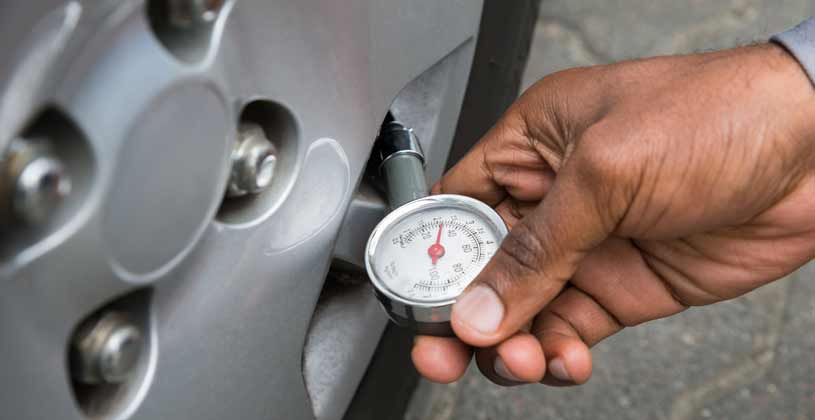
- Underinflated tires. One of the most common causes of tire blowouts is low tire pressure and underinflated tires. The low pressure causes tire sidewalls to bulge excessively, generating heat that can damage the rubber.
- Manufacturing defects in tires. Tire blowouts can also happen due to material defects in the tire itself. For instance, poor adhesion from manufacturing errors can cause the sidewall and treads to separate from one another
- Tire wear and tear. Old tires that have substantial wear and tear on them are much more likely to cause blowouts, especially if the tires haven’t been rotated in a while and have uneven treads.
- Bad road conditions. Impacts with potholes, cracks, curbs, and damaged road sections can cause structural damage and mechanical failure in tires.
- Overloading vehicles. Overloading a vehicle can put additional pressure on tires, increasing the risk of a blowout.
For a free legal consultation, call (877) 333-1000
Who Is Liable for Crashes Due to Tire Blowouts?
Before you can sue after a tire blowout crash, you need to show that some party’s negligent acts or omissions were a material cause of the blowout. This is the reason why establishing the cause of the blowout is so important; you need to know the cause and trace it back to the responsible party.
Vehicle Driver or Owner
In many cases, the vehicle’s driver or owner is responsible for tire blowouts. This may be the case if the owner neglected to get maintenance and was driving on old, worn tires. The driver may be responsible if they performed a dangerous maneuver that caused the tire to rupture, like driving over the curb or braking too quickly.
Tire Manufacturer
Tire manufacturers can be held liable for blowouts due to material defects in their products. Tire manufacturers generally have strict quality controls, but defective products can still make it to consumers. Individual errors in the manufacturing process could make an entire batch of tires defective.
Tires may also have inherent design flaws that make an entire product line more susceptible to blowouts. In these cases, you may be able to file a product liability lawsuit against the tire manufacturer for their negligence.
Commercial Entities
For commercial vehicles like trucks or buses, the company owning the vehicle may be responsible for tire blowouts. Businesses have a duty to inspect and maintain their fleets of vehicles.
If they fail to properly inspect and change damaged tires, the company could be liable if a blowout happens.
Government Entities
If bad road conditions cause a blowout, you may be able to sue the local municipality in charge of maintaining roads. For example, you may be able to sue a government if a pothole caused a tire blowout accident.
You would have to show that the government knew (or should have reasonably known) about the hole and failed to take steps to remedy it. If the road is private, you could sue whichever private entity is responsible for it, such as the property owner.
What if I’m Partially Responsible?
If you were partially responsible for the tire blowout and ensuing accident, it could complicate your ability to sue. North Carolina’s civil system operates under very strict contributory negligence rules, meaning injury victims cannot sue for damages if they share partial fault.
For instance, if you hadn’t gotten maintenance in a few years and your tires blew out, the insurance company may claim you were responsible, regardless of whatever other factors contributed to the accident. Even if you’re assigned just 1% fault, you’d be barred from compensation since the system is all or nothing.
The burden of proving contributory negligence is on the party claiming the defense, so you need to work closely with a lawyer. An attorney can gather evidence and present your claim in a way that counters accusations of partial fault and avoids a judgment of contributory negligence.
Click to contact our personal injury lawyers today
Contact a Charlotte Car Accident Lawyer After a Tire Blowout Crash
Do you have more questions about suing after a tire blowout crash? A team member from DeMayo Law Offices can answer your questions and show how a Charlotte personal injury lawyer can help you.
Call or text (877) 333-1000 or complete a Free Case Evaluation form